EV3: Dental Hygiene Symposium (Ticketed Course)
Program Track: Treatment of Periodontal Diseases and Peri-Implant Diseases
Presenters



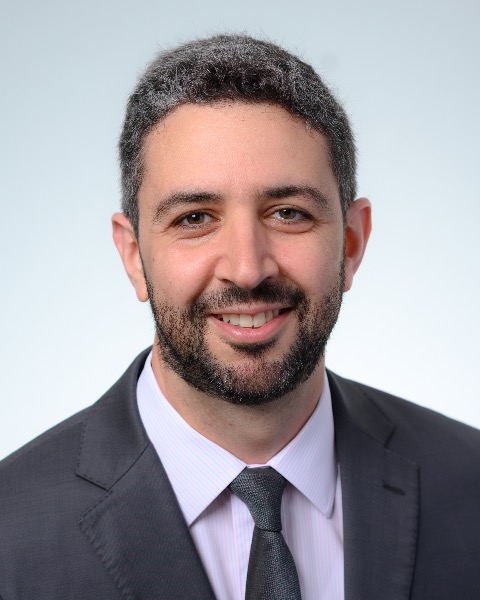

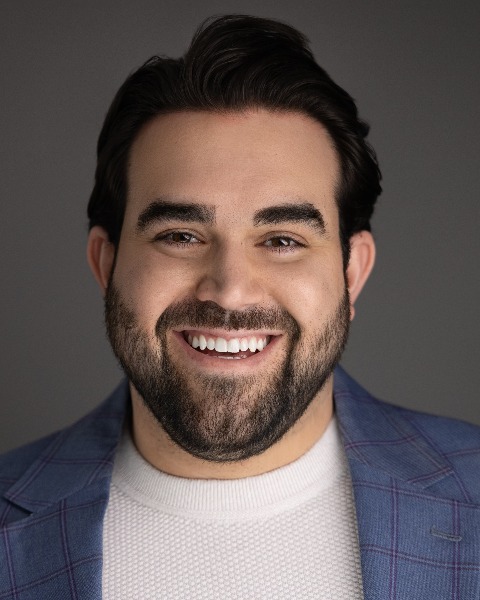

.jpg)
Description
Schedule:
8:00- 8:02am Sponsor Remarks (not included in CE credit)
8:02– 8:15am Welcome Remarks
8:15 – 9:15am Biofilm Management - Amanda Cole Hill
9:15 – 10:15am Perio Case Acceptance - Katrina Sanders
10:15 –10:30am Networking/Sponsor Break
10:30 – 11:45pm Periodontitis Staging and Grading for the Dental Hygienist - Kelly Turner
11:45am – 12:30pm Lunch Break
12:30 – 1:45pm Peri-Implant Disease Classification - Ramzi Abou-Arraj
1:45 – 3:00pm The Importance of a Healthy Body for the Periodontal/Implant Patient - Veronique Benhamou
3:00 – 3:15pm Networking/Sponsor Break
3:15 – 4:15pm Personalized Implant Care - Adam Saltz
4:15 – 4:45pm Panel Discussion
4:45 – 5:00pm Closing Remarks
The Dental Hygiene Symposium will explore key topics related to periodontal and peri-implant diseases including biofilm and oral health, implant maintenance, case acceptance, and the importance of a healthy body for the periodontal/implant patient. Utilizing the 2017 AAP/EFP Classification on Periodontal and Peri-Implant Diseases, diagnosis and classification of peri-implant diseases will be discussed along periodontitis staging and grading. The Symposium will conclude with a panel discussion featuring all speakers providing the audience with a unique opportunity for Q&A.
Thank you to Crest + Oral-B for sponsoring this year’s Dental Hygiene Symposium!
Educational Objectives
- • Discuss the nature and behavior of oral biofilm and its role in oral and overall health, identify methods for biofilm detection and disruption, and discuss communication strategies that motivate behavioral change and compliance.
- • Understand the role of the assessment phase as an educational tool, develop patient-centered strategies for meaningful communication, and learn to integrate knowledge throughout the dental hygiene process to enhance awareness of oral and systemic health.
- • Apply the 2017 AAP Periodontal Classification steps to clinical practice, recognize common errors and calibration issues in assessing clinical attachment and radiographic bone loss, compare these findings using a histological and anatomical perspective, and utilize decision-making tools to improve diagnostic consistency among clinicians.
- • Review the diagnosis and classification of peri-implant diseases and conditions, and understand their etiology, risk factors, and treatment options to support effective risk assessment and management.
- • Define osteoimmunology and its relevance to implant healing and disease, identify key systemic and lifestyle factors affecting implant success, evaluate patient risk using clinical and biomarker data, and effectively communicate these connections to patients using relatable tools and language.
- • Recognize the clinical signs of healthy, ailing, and failing dental implants; identify contributing risk factors for implant complications and failure; apply appropriate maintenance tools and techniques; and develop personalized homecare strategies to support long-term implant success.
CE Hours: 7.5